
How Many Calories Does Dancing Burn? (by Style, 30 and 60 Minutes)
Dancing burns about 90–270 calories in 30 minutes. See a style-by-style table and what it means for strength, balance and weight after 50.
How many calories does dancing burn? For most adults, 30 minutes of dancing burns about 90 to 270 calories. Seated chair dancing sits at the low end. Slow Latin or gentle flow styles land in the middle. Steady cardio dance is at the top.[1] The exact number depends on your body weight, the style and how much you move your arms and legs.
Calories are only part of the story, though. The women who stick with dancing rarely talk about the number on the scale. They talk about climbing the stairs without stopping halfway. They talk about getting up from a low sofa without pushing off with their hands. Below you'll find the real numbers, and what they can and can't do for you.
How Many Calories Does Dancing Burn in 30 Minutes?
Researchers measure effort in METs (metabolic equivalents). Sitting quietly is 1 MET. A movement rated 5 METs takes five times that energy. The Compendium of Physical Activities lists dance styles from about 2.5 METs for gentle seated movement up to more than 7 METs for vigorous aerobic dance.[2]
To turn that into calories, multiply the MET value by your body weight. Here's a simple example for a 155-lb (70 kg) woman:
- Gentle, seated dancing (≈2.5 METs): about 90 calories in 30 minutes
- Slow social or flow dancing (≈3 METs): about 110 calories
- Low-impact cardio dance (≈5 METs): about 185 calories
- Steady, energetic cardio dance (≈7 METs): about 260–270 calories
If you weigh more, you burn more for the same movement. If you weigh less, you burn a bit less. That's why two women in the same class can see different numbers on their watches.
Calories Burned Dancing by Style: Everdance Programs Compared
The table below groups Everdance programs by intensity. The figures are estimates for a 155-lb woman, based on Compendium MET ranges.[2] Treat them as a guide, not a guarantee.
| Style (Everdance program) | Impact | Approx. METs | Calories / 30 min | Calories / 60 min | Best for |
|---|---|---|---|---|---|
| Chair dance (Chair Dance for Seniors 60+, Sofa Groove) | Seated | 2.5 | ~90 | ~180 | Sore knees, arthritis, first weeks back |
| Chair balance and yoga flow (Chair Balance Dance Flow) | Seated / standing with support | 2.5–3 | ~90–110 | ~180–220 | Balance and steadiness |
| Gentle standing dance (Gentle Dance for 70+) | Very low | 3 | ~110 | ~220 | Daily movement habit |
| Latin and belly dance (Latin Glow, Belly Dance Empowerment) | Low | 3.5–4.5 | ~130–165 | ~260–330 | Core, hips, posture |
| Low-impact cardio dance (Cardio Dance for Beginners, Menopause Motion) | Low | 5 | ~185 | ~370 | Heart health, stamina |
| Pop and throwback cardio (Pop Hits Cardio Dance, Throwback Dance Party) | Low to moderate | 5.5–7 | ~200–260 | ~400–520 | Higher-energy days |
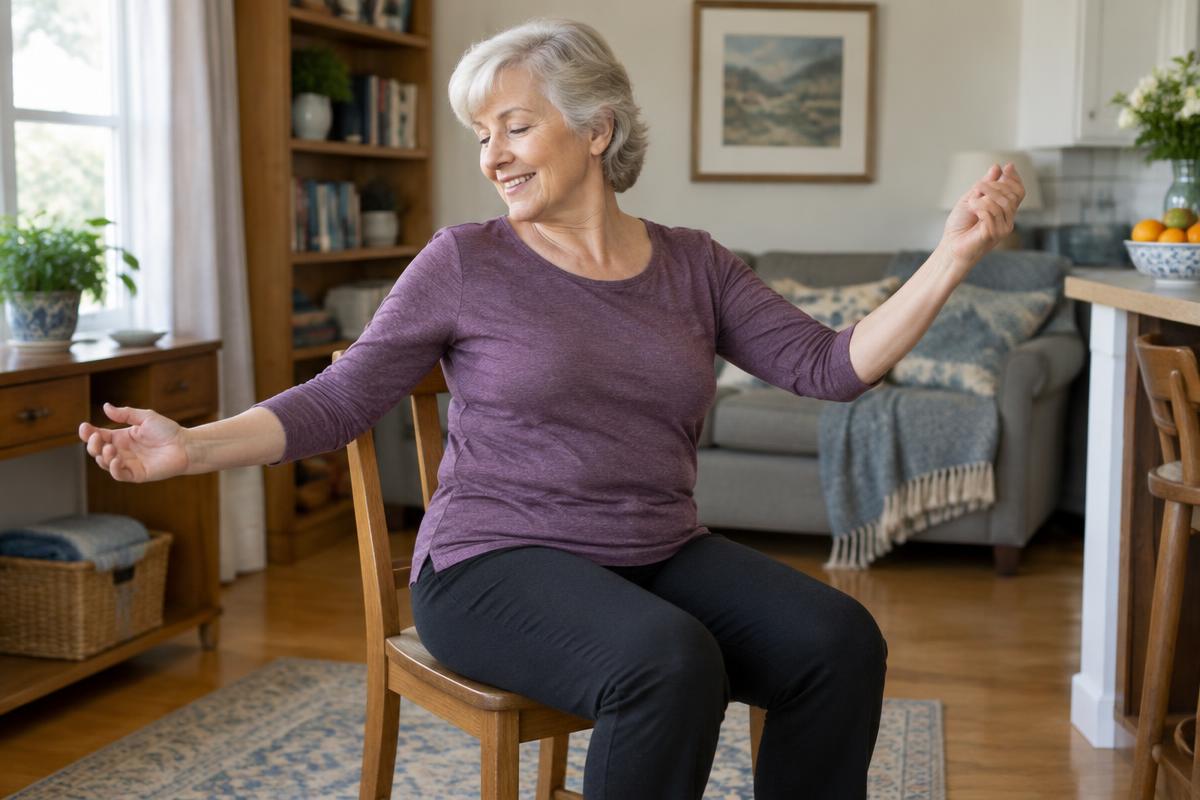
Two honest notes. First, seated styles burn fewer calories, but they're often the ones you can do every day. Second, sixty minutes in one go isn't the goal. Three 10-minute sessions burn about the same as one 30-minute session.
Can Dancing Help You Lose Weight?
Yes, but slowly, and best alongside food changes. A pound of body fat stores roughly 3,500 calories. If you do 30 minutes of low-impact cardio dance five days a week, you'll burn about 900 extra calories a week. On its own, that adds up to around one pound a month.
That's real, but it isn't fast. And for many women over 50, weight isn't the most useful thing to measure. Regular movement protects muscle, which naturally declines with age. It also supports blood sugar, sleep and mood. If weight loss is your main goal, read our dance for weight loss results timeline. It walks through what changes week by week.
Calories are the easiest thing to count and the least interesting thing that happens when you dance. The bigger wins are leg strength, balance and the confidence to move through your day without thinking twice. — Lena Kovač, DPT, geriatric movement specialist
What Matters More Than Calories After 50
The CDC recommends that adults get 150 minutes of moderate activity a week. For adults 65 and over, it also recommends balance training and muscle-strengthening work.[3] Dancing covers all three at once. You shift your weight, you hold your posture, you use your legs and core.
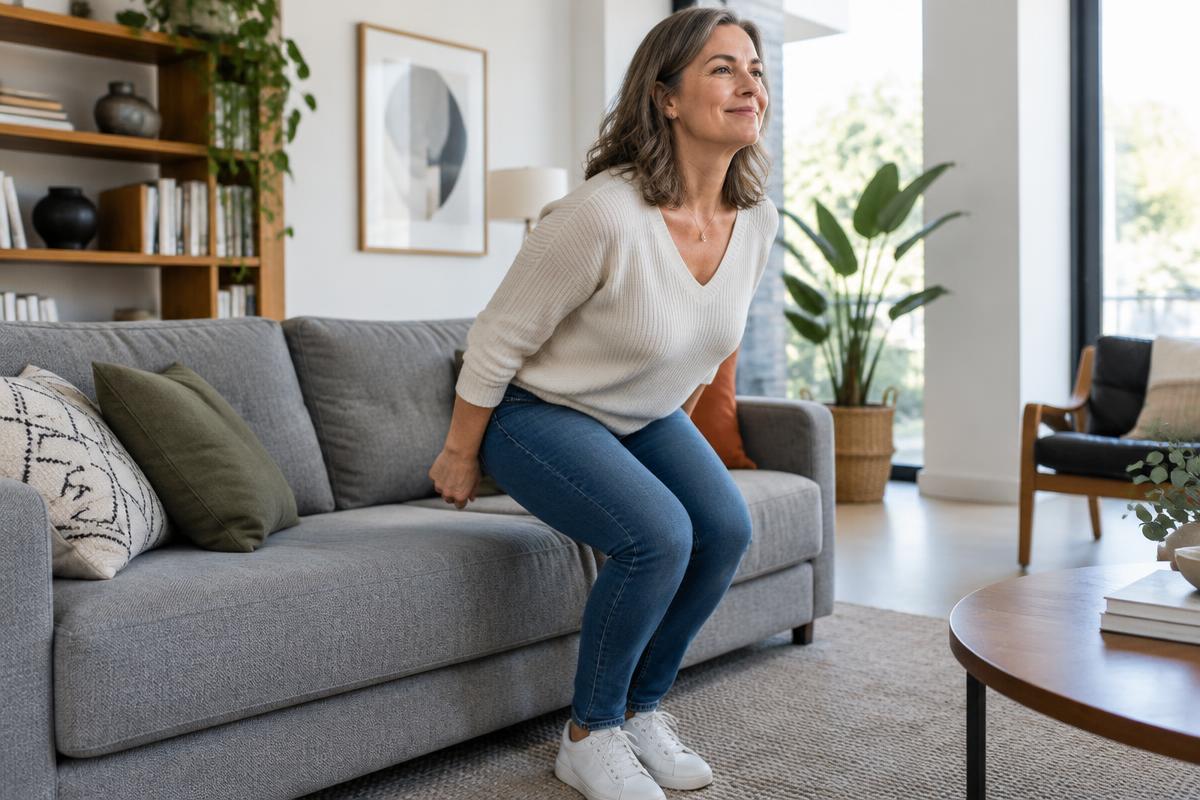
Here's how progress tends to show up in everyday life:
- Getting up from a chair without using your hands
- Bending to tie a shoe without back pain afterward
- Carrying groceries up the steps in one trip
- Feeling steady on uneven pavement
- Having energy left at the end of the afternoon
Researchers sum it up as "use it or lose it." Muscles and balance you use regularly stay with you longer. You don't need intense workouts for that. You need steady movement you'll actually keep doing.
How Long Should You Dance to See Results?
Most people notice they feel better within two to three weeks: easier breathing on the stairs, better sleep, a brighter mood. Strength and balance changes usually take six to eight weeks of regular practice. Changes in weight or body shape take longer, often two to three months.
A realistic weekly plan:
- Weeks 1–2: 10 minutes a day, 4–5 days a week. Pick a seated or gentle style.
- Weeks 3–4: 15–20 minutes a day. Add one low-impact standing session.
- Week 5 onward: 20–30 minutes, 5 days a week. Mix one balance session, one cardio session and one style you simply enjoy.
The first session should feel almost too easy. Most people who quit do so around day three, usually because they started too hard. Starting small is the strategy, not a compromise.
Low-Impact Dance Options for Knees, Joints and Balance
If your knees, hips or back limit what you can do, you can still dance. Everdance programs come in seated, supported and standing versions. When you start, the app asks about joint pain, balance and any recent surgery. It uses your answers to suggest a level and to skip moves like deep squats or jumps.
A few options by situation:
- Arthritis, sore knees or extra weight: start with chair dance workouts or Plus-Size Chair Dance. All the work happens from the waist up, plus gentle leg moves.
- Worried about falling: Chair Balance Dance Flow builds steadiness with a chair always within reach.
- Coming back after an illness or surgery: begin seated, at the lowest level. Check with your doctor or physical therapist first, and stop if anything hurts.
- Can't leave the house much: every session works in a living room, with no equipment, and you can cast it to your TV to follow along on a big screen.
For a fuller list of gentle styles, see our guide to low-impact cardio for women over 40.
Free YouTube Videos vs a Dance Program: What's the Difference?
Free videos are a fine place to start. Many women also have fitness benefits through a Medicare Advantage plan. The catch is that those benefits can change. Plans change their partner lists, and local gyms drop out of the program, often without asking you.
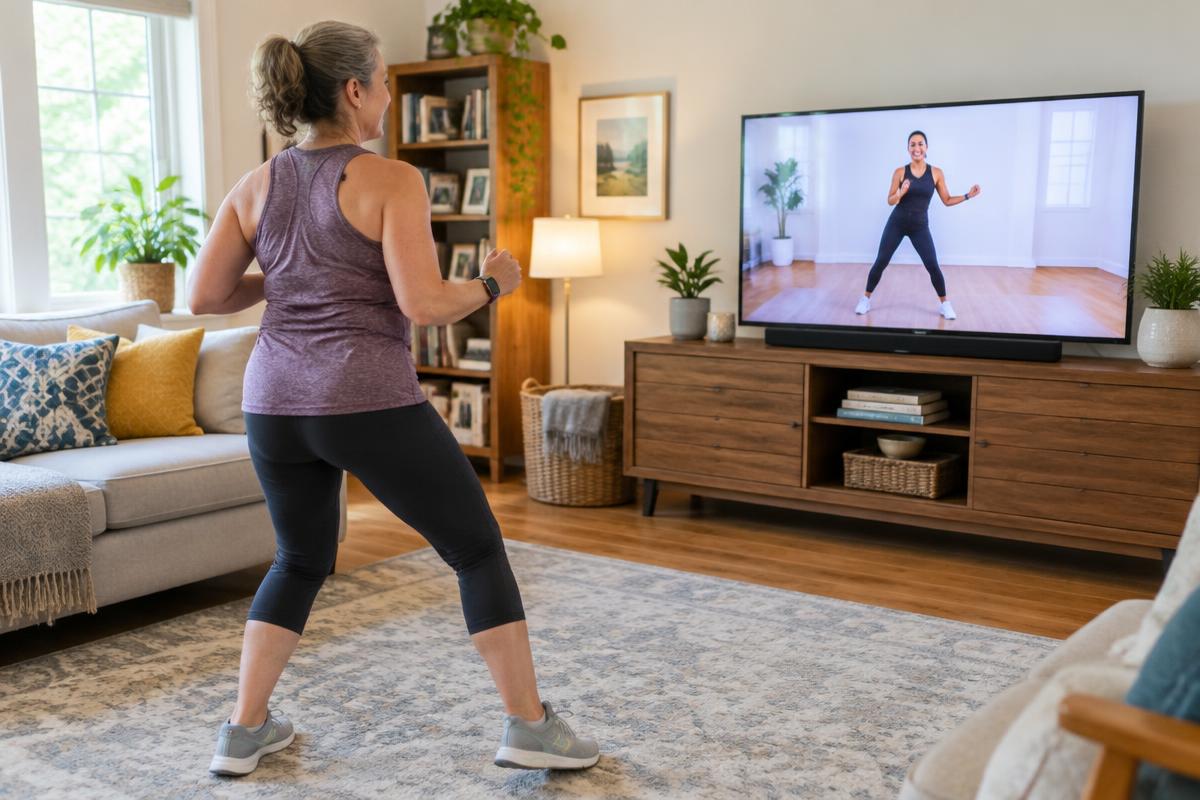
A program you choose yourself stays the same. With Everdance you get:
- A plan built around your limits, not a random video playlist
- Short sessions (10–20 minutes) that fit a daily routine
- The same coaches every week, so it feels like showing up for someone
- Clear, transparent billing. You can cancel any time in your account settings, and there's a money-back guarantee.
You can compare styles and intensities on our programs page.
FAQ
How many calories does 30 minutes of dancing burn?
Roughly 90 to 270 calories for a 155-lb woman. Chair dancing is at the low end, low-impact cardio dance is around 185, and energetic cardio dance is at the top.
Does chair dancing burn calories?
Yes, about 90 calories in 30 minutes for a 155-lb woman. That's less than standing cardio, but it's gentle on the joints, so it's easier to do every day.
Is dancing better than walking for calories?
Low-impact cardio dance burns a similar amount to brisk walking, and sometimes a bit more. It also trains balance and coordination, because you change direction and shift your weight.
How often should I dance to lose weight?
Aim for 150 minutes a week, for example 30 minutes five days a week, together with small changes to what you eat. Expect slow, steady progress rather than quick drops.
Is dancing safe if I have bad knees?
For most people, seated and low-impact styles are safe. Choose programs without jumps or deep squats, and check with your doctor if you have a specific condition.
Sources
Put it into practice with Dance Cardio Burn.
High-energy, low-impact cardio in 20-minute sessions choreographed like a party. Fat burns, mood lifts, knees and back stay safe.
- 15 min daily sessions
- Low-impact modifications
- No equipment, 2 m²
- Cancel anytime
“Lost 3 kg without weighing food. I just kept pressing play because the music is that good.”

Lena is a doctor of physical therapy (DPT) who has spent 12 years working with adults 60+ on balance, arthritis recovery, and a confident return to movement after injury. She designs Everdance's chair and low-impact programs and writes everything we publish about ageing well.

Helena has spent two decades editing health journalism for European magazines. She fact-checks every Everdance article against primary sources.
Keep reading
All articles →
Low-Impact Cardio for Women Over 40: A Joint-Friendly Guide That Actually Raises Your Heart Rate
Dance for Weight Loss: A Realistic Results Timeline (Week 1 → Month 6)