
Dance Therapy for Depression: What the Meta-Analyses Show
A growing body of research shows that short, joyful movement sessions can rewire your mood, sharpen memory and improve sleep — without a single gym visit.
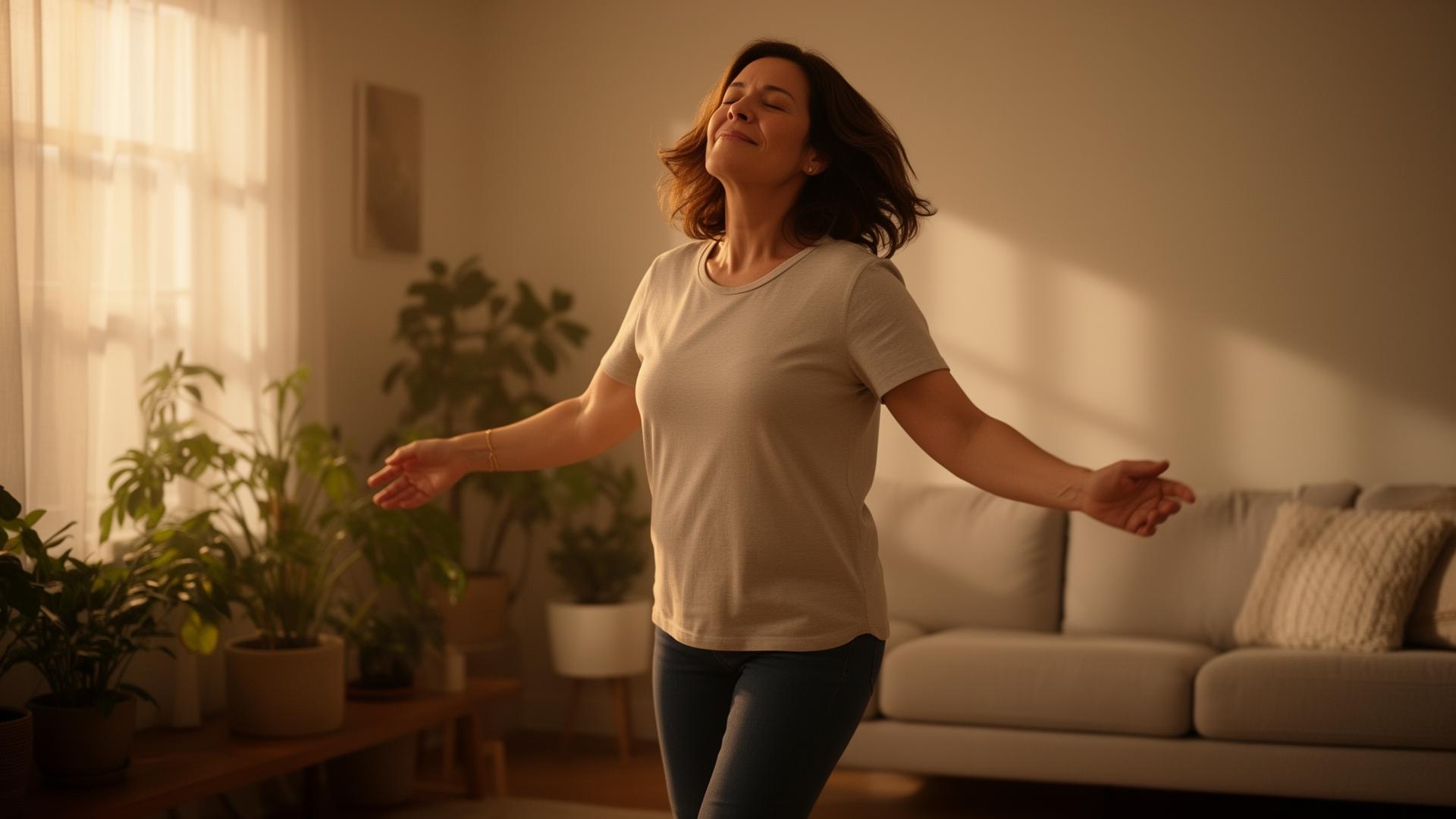
Dance therapy for depression is one of the most-studied non-pharmacological interventions in modern psychiatry. In randomised trials and meta-analyses, dance/movement therapy (DMT) added to standard treatment has produced effect sizes larger than many established psychotherapies — and the effect holds whether or not patients are on antidepressants.
This post unpacks what the meta-analytic evidence actually shows, how dance therapy compares to CBT, and what a workable at-home version looks like when a therapist isn't accessible.
How effective is dance therapy for depression?
The headline number is from Karkou and colleagues' 2019 meta-analysis, which pooled 8 randomised studies and 351 participants comparing DMT against standard care for adult depression [1].
| Comparison | Effect size | Interpretation |
|---|---|---|
| DMT added to standard treatment (low-risk-of-bias trials) | SMD = –0.82 [1] | Large effect; bigger than typical psychotherapy vs control |
| Pylvänäinen outpatient DMT (3-mo follow-up) | d = 0.60–0.79 [2] | Moderate-to-large; held in patients on antidepressants |
For context: well-validated talking therapies for depression typically produce effect sizes in the 0.3–0.6 range. DMT is competitive with — and in some trials larger than — the standard alternatives [1].
Is dance better than CBT for depression?
The honest answer: we don't have a head-to-head trial of DMT vs cognitive behavioural therapy. What we have is parallel evidence that both work, with non-overlapping mechanisms. DMT works through the body; CBT works through thoughts. For many people the question is not "which one" but "which one is accessible today."
Depression often feels like the body has gone quiet. Dance therapy turns the body back on. That is sometimes the first thing that needs to happen before talking helps at all.
— Dr. Mara Lindqvist, movement physician
Why dance therapy works for depression — three mechanisms
1. Biological: cardiovascular and neuroplasticity dose
Dance at moderate intensity raises cerebral blood flow, increases brain-derived neurotrophic factor (BDNF), and produces broadly anti-inflammatory effects [3]. Depression is increasingly viewed as a neuroinflammatory condition; dance is one of the few interventions that hits inflammation, cardiovascular fitness, and neuroplasticity in the same hour.
2. Psychological: re-embodiment and agency
Depression de-couples mind from body. DMT puts them back in conversation. The Pylvänäinen trial measured improvements not just in depression scales but in body-awareness and self-esteem — and the gains held at three-month follow-up [2].
3. Social: mirroring and the therapeutic alliance
In a DMT session, the therapist mirrors your movement. Mirroring activates the same neural circuits as empathy and physical touch — both of which are usually depleted in depression. (For more on this mechanism, see our DMT explainer.)
Dance/movement therapy for depression: what a session looks like
A typical 60-minute clinical DMT session for depression includes:
- Check-in (5 min) — quick body scan, mood rating.
- Warm-up (10 min) — gentle, repetitive movement to soft music. The therapist matches the patient's tempo.
- Theme work (25 min) — improvised movement to a prompt ("what does heavy feel like?"). The therapist mirrors. Music shifts with the mood.
- Integration (15 min) — slowing the breath, journaling, or short verbal reflection.
- Closing (5 min) — second mood rating, plan for the week.
Karkou's meta-analysis suggests at least 10 weekly sessions for clinically meaningful change [1]. Pylvänäinen's trial used 20 sessions over 10 weeks [2].
What if a DMT therapist isn't available?
The clinical version requires a credentialed therapist. The physical activity component — which the Merom cardiovascular dataset confirms is enormously protective for adults [4] — does not. A daily at-home dance practice delivers a large share of the mood benefits documented in dance trials.
A gentle, follow-along flow for the days when getting out of bed is the hardest part:
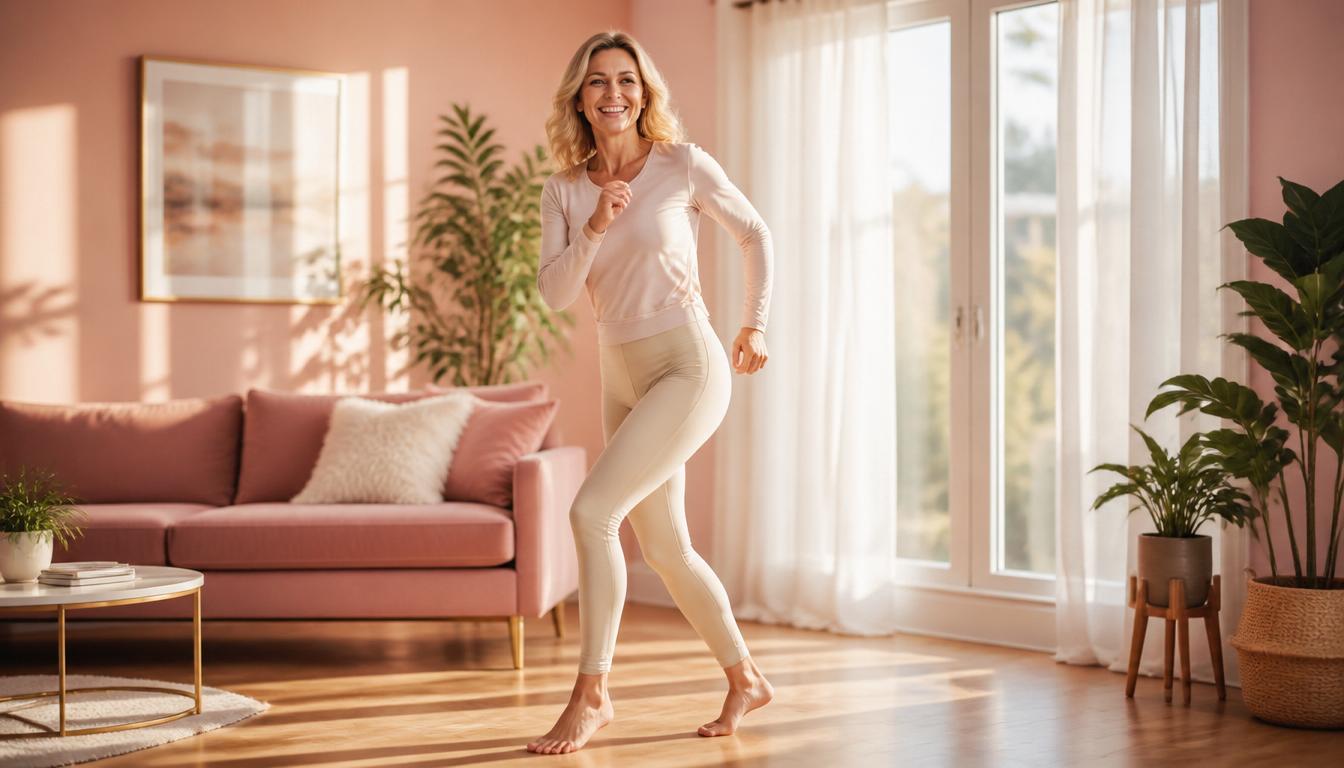
The minimum dose that has shown mood effects in non-clinical trials is roughly 15 minutes most days for two weeks [3]. That is achievable from a chair, in pyjamas, with no audience.
How to track whether it's working
Two simple measurements, repeated daily:
- PHQ-9 (free online) once a week. It is the same scale most clinicians use.
- A single-question mood rating ("0 to 10, how is your mood right now?") before and after each dance session.
After two weeks of consistent practice you will have your own data. If PHQ-9 hasn't moved and your before/after ratings show no lift, that is information — bring it to your clinician.
When dance therapy is not enough
A note from the medical side: severe depression with suicidal ideation, psychotic features, or bipolar I depression needs medical care, not (only) dance. DMT and at-home dance are adjuncts to that care, not replacements. If you are in crisis, please contact your local crisis line.
Read next: What is dance/movement therapy? · The science of dance for adult health · Dance for Parkinson's at home.
Frequently asked questions
Does dance therapy actually help depression?
Yes. The strongest evidence is Karkou's 2019 meta-analysis, which found a large effect size (SMD = –0.82) for DMT added to standard treatment in low-risk-of-bias trials [1]. Pylvänäinen's outpatient trial confirmed the effect held at three-month follow-up [2].
Can dance therapy replace antidepressants?
No — and the studies don't claim it can. Pylvänäinen found the DMT effect held regardless of medication status [2], meaning dance therapy stacks with medication rather than replacing it. Any decision about medication should involve your prescriber.
How long does dance therapy take to work for depression?
Meta-analytic data suggest at least 10 weekly DMT sessions before clinically meaningful change [1]. For at-home dance, mood lift is often noticeable within 1–2 weeks of consistent daily practice [3].
Is dance therapy covered by insurance in the US?
Sometimes. DMT is billable under behavioural health if the therapist holds a primary clinical credential (LPC, LCSW, LMFT). Pure dance-only billing is rare. Ask the therapist directly.
What kind of dance is best for depression?
Trials have used improvisational DMT, ballroom, and structured choreography — all with positive effects. For at-home practice, the format that matters most is the one you will actually do every day. Low-impact, follow-along chair or standing flows have the strongest adherence.
Further reading: Dance Therapy Benefits for Adults — 11 studies, effect sizes, what they mean
Sources
- [1]Karkou V. et al. Effectiveness of Dance Movement Therapy in the Treatment of Adults With Depression: A Systematic Review With Meta-Analyses. Frontiers in Psychology, 2019, 10.
- [2]Pylvänäinen P. M., Muotka J. S., Lappalainen R. A dance movement therapy group for depressed adult patients. Frontiers in Psychology, 2015, 6.
- [3]Cox L., Youmans-Jones J. Dance Is a Healing Art. Current Treatment Options in Allergy, 2023, 10(2): 184–195.
- [4]Merom D., Ding D., Stamatakis E. Dancing Participation and Cardiovascular Disease Mortality. American Journal of Preventive Medicine, 2016, 50(6): 756–760.
Put it into practice with Dance Cardio Burn.
High-energy, low-impact cardio in 20-minute sessions choreographed like a party. Fat burns, mood lifts, knees and back stay safe.
- 15 min daily sessions
- Low-impact modifications
- No equipment, 2 m²
- Cancel anytime
“Lost 3 kg without weighing food. I just kept pressing play because the music is that good.”

Mara studies how short bouts of rhythmic movement affect mood and cognition. She has authored over 40 peer-reviewed papers and dances daily in her kitchen.

Helena has spent two decades editing health journalism for European magazines. She fact-checks every Everdance article against primary sources.
Keep reading
All articles →
Is Dancing Good Exercise? What the Research Says
How Many Calories Does Dancing Burn? (by Style, 30 and 60 Minutes)