
Dance for Stress Relief at Home
Mood-first dance sessions — 10 to 25 minutes — built to flush stress hormones, lift mood, and reset your nervous system.
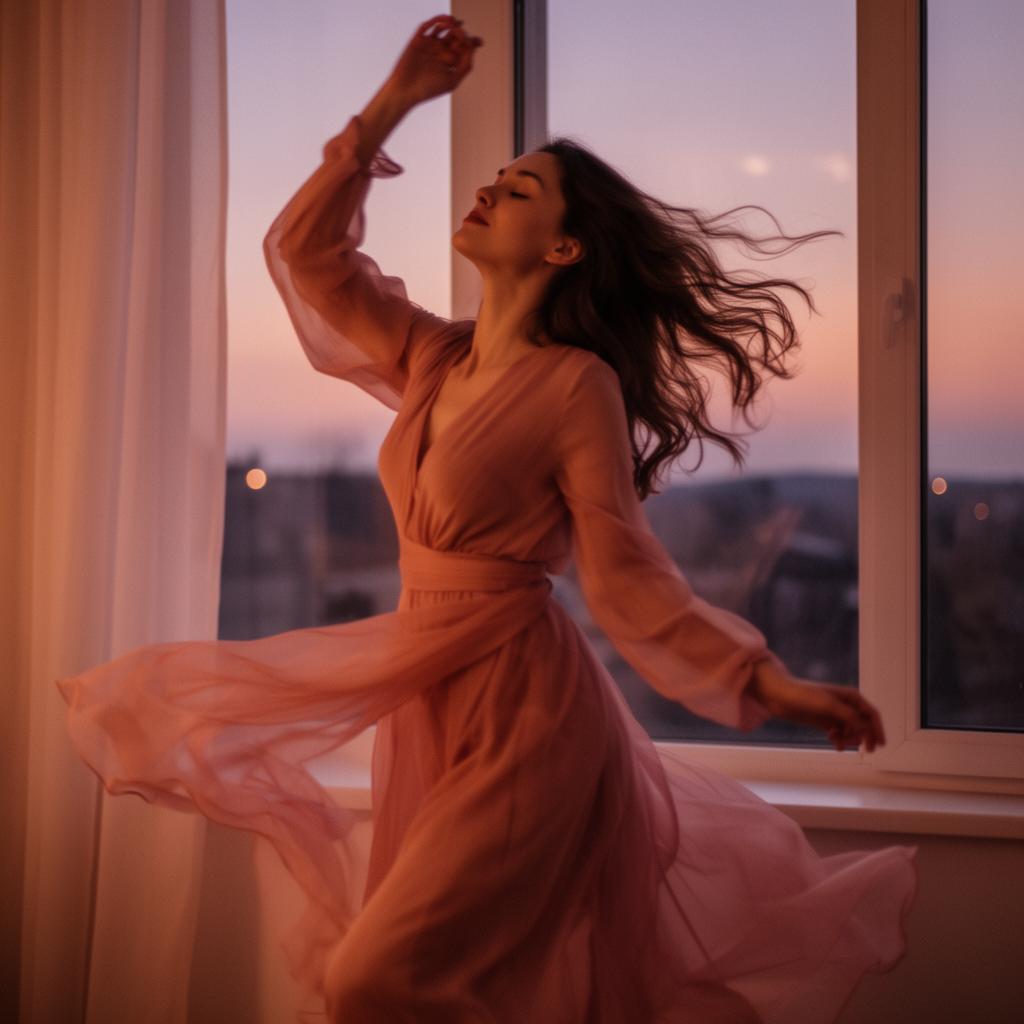
Dance for stress relief is one of the most research-backed mood interventions you can do at home in 15 minutes1. The combination of rhythmic movement, music, and uninhibited self-expression lowers cortisol, raises serotonin and dopamine, and activates the parasympathetic nervous system faster than walking or stretching2. Our 7-day stress-relief dance plan blends short morning energy sessions, midday mood-resets, and slow evening wind-downs — so you can pick whichever fits the day. Here's how it works.
What kind of dance is best for stress and anxiety?
Two kinds work best for different reasons:
- Joyful, expressive dance — afrobeat, latin, throwback pop. Raises mood quickly through dopamine. Try Mood Reset Dance.
- Slow, flowing dance — soul R&B flow, ballet stretch, evening flow. Down-regulates the nervous system and prepares you for sleep. Try Slow Flow Evening or Deep Sleep Wind-Down.
The plan alternates them so you get the lift when you need it and the calm when the day is ending.
How long does it take to feel the difference?
Mood changes happen during the session — most people feel lighter within the first 5–10 minutes. Deeper baseline shifts (less anxiety, better sleep, steadier mood) usually arrive after 3–4 weeks of consistent practice, three or more sessions per week.
What to expect in your first week
- Day 1: the first 10-minute Mood Reset session — most people are surprised how much lighter they feel by minute 6.
- Day 2–3: noticeably faster sleep onset on the evenings you do a slow flow.
- Day 4–7: smaller "mood dips" mid-afternoon; less impulse to scroll for distraction.
Movement to music is one of the few interventions that hits cortisol, mood, and sleep in the same session. It's also the one most clients keep doing after a month — which is what actually matters.
— Dr. Hana Park, clinical psychologist
Footnotes
-
American Psychological Association — Working out boosts brain health. https://www.apa.org/topics/exercise-fitness/stress ↩
-
Frontiers in Psychology — Dance/Movement Therapy and Mental Health (meta-analysis). https://www.frontiersin.org/articles/10.3389/fpsyg.2019.01806/full ↩
What's your #1 goal right now?
Programs we love for this
All programs
Frequently asked
Does dance really help with stress and anxiety?
Yes. Multiple studies show that 20–30 minutes of dance lowers cortisol and raises mood-regulating neurotransmitters at least as effectively as walking or yoga — and most people enjoy it more, which means they stick with it.
What's the best time of day to dance for stress relief?
Whatever time you'll actually do it. Morning sessions set a calmer baseline for the day; evening flow sessions help you wind down and sleep better.
I'm too tired and stressed to work out — can I really do this?
Start with the 10-minute mood reset session. Most users report more energy after the session than before, which is the opposite of how a hard workout feels when you're depleted.
Do I need to be good at dancing?
No. The point isn't performance — it's expression. Our plans use simple, follow-along choreography so your brain can switch off and your body can move.
Other cases we cover
See allWant a fully personal plan, not just a curated list?
Generate full 7-day plan