
Joint-Friendly Dance Workouts for Arthritis
Gentle, low-impact dance for arthritic hips, knees, hands and shoulders — designed to ease stiffness, not flare it.
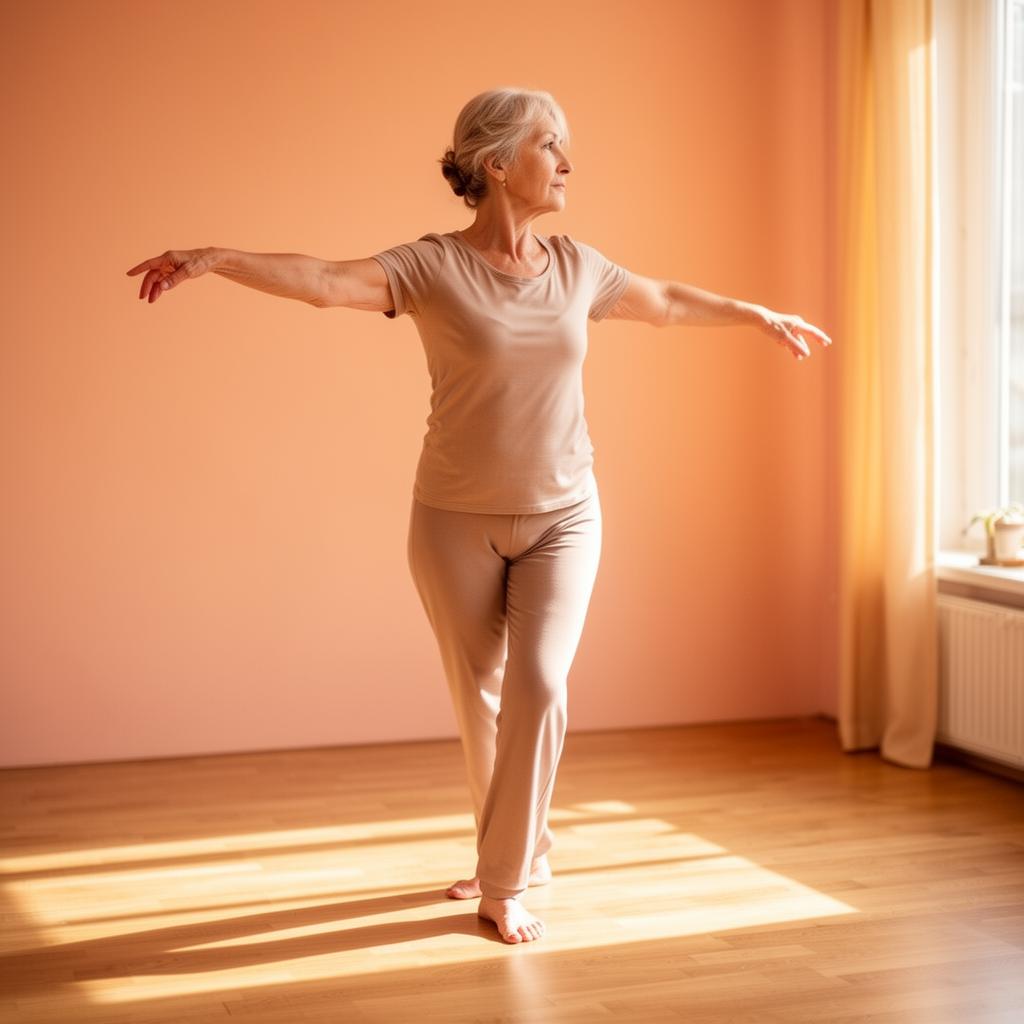
Dance for arthritis is one of the few cardio formats that warms the joints instead of grinding them. Slow, continuous, full-range motion is exactly what arthritic joints need1 — and the music makes it possible to move for 20–30 minutes without thinking about pain. Our 7-day arthritis-friendly dance plan removes every jumping, hopping, and deep-bending move and replaces them with rhythmic weight shifts, gentle hip and shoulder circles, and chair-based options for high-flare days. Below is how it works.
Is dance good for people with arthritis?
Yes — clinical reviews show that low-impact dance reduces joint stiffness, improves balance, and lifts mood in people with osteoarthritis and rheumatoid arthritis2. The key is staying in the "warm and flowing" zone, not the "loaded and impactful" one. Our plans avoid:
- Jumping, hopping, plyometrics
- Deep squats and lunges past 90°
- Pivoting on a planted foot
- Floor work that loads the wrists
And lean into smooth weight shifts, hip and shoulder rolls, and arm-led choreography — exactly what you'll find in Low-Impact Gentle Dance and Ballet Stretch for Pain.
How often should I dance with arthritis?
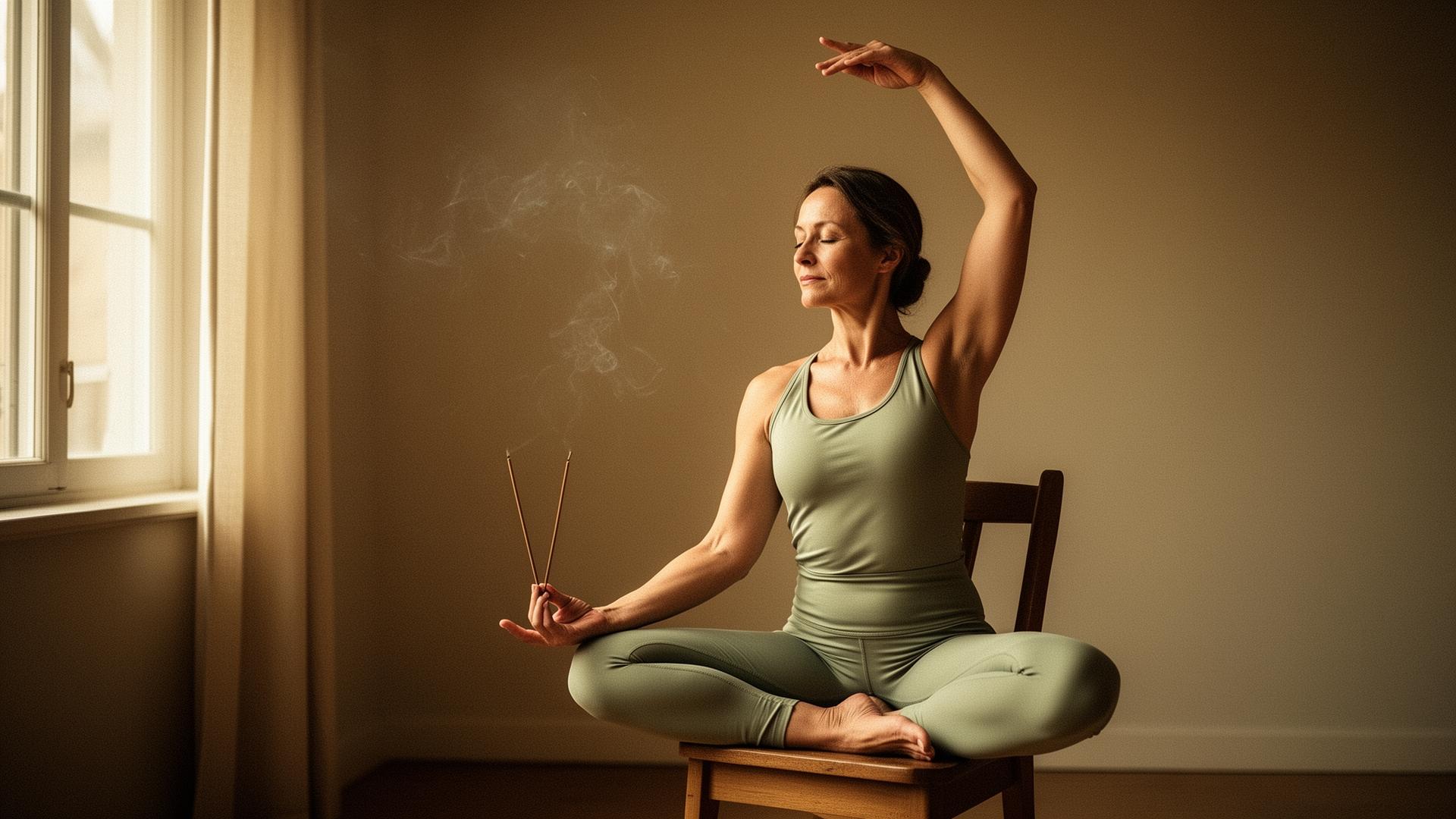
Most people do best with 4–5 short sessions per week (15–25 minutes) rather than 2 long ones. Daily gentle movement keeps the synovial fluid flowing and prevents the morning stiffness that long rest days produce. On high-flare days, swap the standing routine for a 10-minute Chair-Yoga Dance Flow — also included in the plan.
What to expect in your first week
- Day 1–2: a touch of muscle soreness in the hips and shoulders — different from the joint pain you know.
- Day 3–4: shorter morning stiffness, easier first steps out of bed.
- Day 5–7: better balance on stairs and standing from a chair.
The single biggest mistake arthritis patients make with exercise is doing nothing on the bad days. Ten minutes of seated movement is almost always better than zero — that's what keeps the joint from locking up overnight.
— Dr. Elena Rojas, rheumatology PT
Footnotes
-
Arthritis Foundation — Benefits of Exercise for Osteoarthritis. https://www.arthritis.org/health-wellness/healthy-living/physical-activity/getting-started/benefits-of-exercise-for-osteoarthritis ↩
-
Cochrane Review — Aerobic exercise for adults with rheumatoid arthritis. https://www.cochrane.org/CD008322/MUSKEL_aerobic-exercise-for-adults-with-rheumatoid-arthritis ↩
What's your #1 goal right now?
Programs we love for this
All programs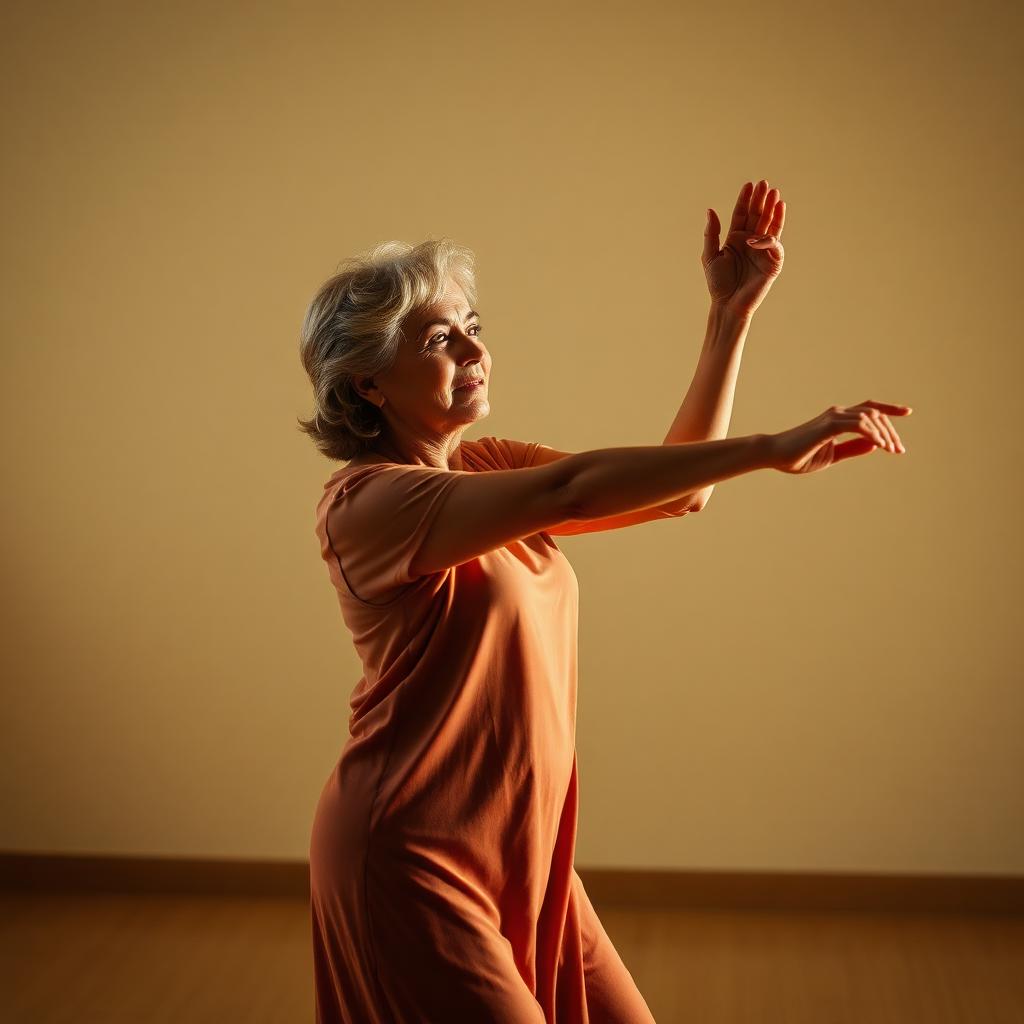
Frequently asked
Can I do dance workouts if I have arthritis?
Yes — low-impact dance is one of the most-recommended cardio formats for arthritis. You should avoid jumping, deep bending, and pivoting on a planted foot, all of which our plan removes by default.
What's the best dance style for stiff joints?
Slow flow, gentle latin, soul R&B, and chair-based dance. They keep you moving through full range without sudden loading.
Will dance make my arthritis worse?
Not when done correctly. Some morning soreness for the first few days is normal — sharp joint pain during the workout is not. Switch to the chair or seated modifications if anything hurts beyond muscle effort.
Can I do this with arthritis in my hands?
Yes. Most of the choreography is led from the hips and legs. We include gentle wrist and finger mobility in the warm-up rather than weight-bearing on the hands.
What if I have a flare-up day?
Switch to the 10-minute chair-dance session in your plan, or take a full rest. The plan is designed to flex — missing one day won't derail the week.
Other cases we cover
See allWant a fully personal plan, not just a curated list?
Generate full 7-day plan