Gentle Dance Workouts for Back Pain Relief
Slow, controlled dance designed to loosen a tight lower back — not aggravate it — and rebuild the core strength that prevents the next flare-up.

Gentle, rhythmic movement is one of the most consistently recommended treatments for non‑specific low back pain — more than rest, often more than stretching alone. The reason is simple: pain‑free movement tells your nervous system that your back is safe to use, while also rebuilding the deep core and glute strength that keeps it stable between flare‑ups.
Please listen to your body. Stop if pain sharpens or radiates down a leg, and see a clinician for any back pain that's new, severe, or paired with numbness, weakness, fever, or loss of bladder/bowel control. This plan is for the everyday "my back is tight and grumpy" kind of pain, not for diagnosing or replacing care for something more serious.
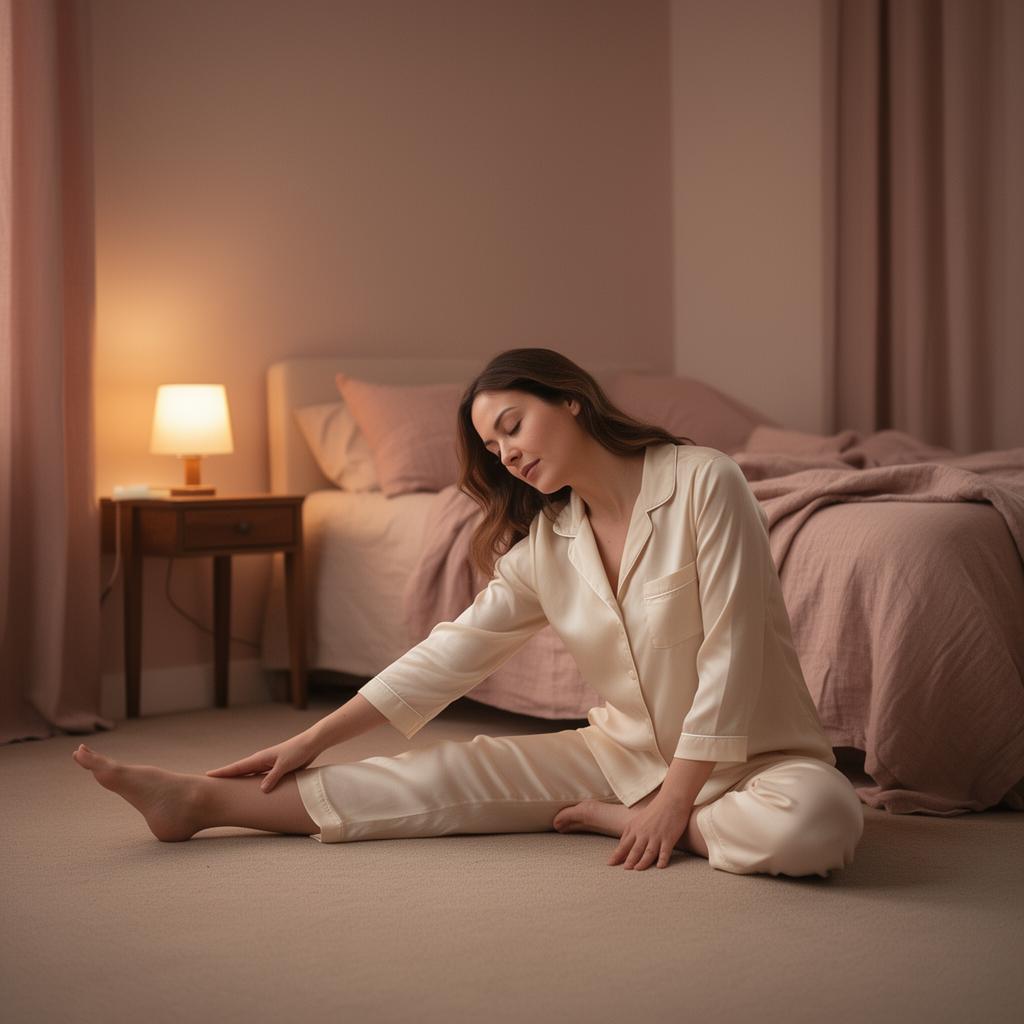
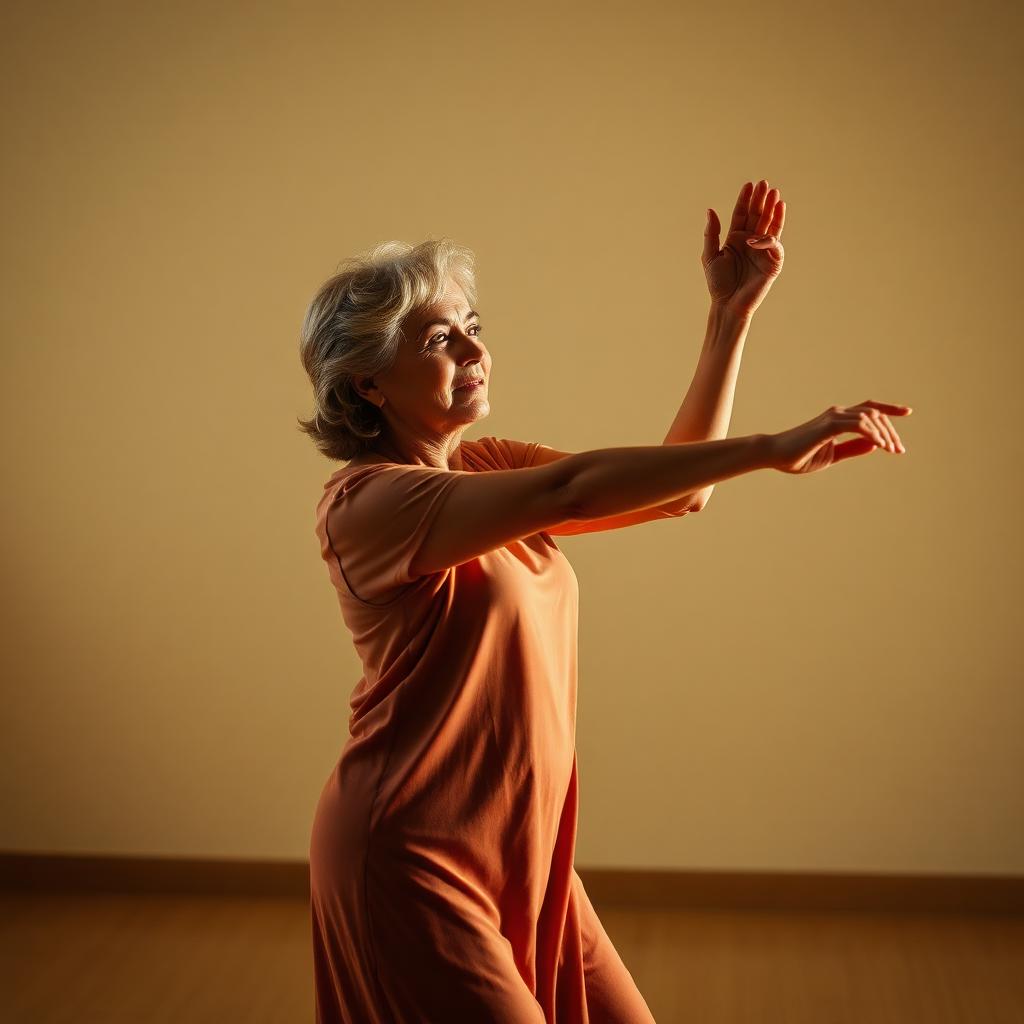
This page is for the version of back pain most adults know: the lower‑back tightness that builds up after a desk day, the morning stiffness, the dull ache that flares with stress and eases with movement. The 7‑day plan keeps everything below waist level slow and controlled — gentle hip circles, weighted‑foot grooves, supported sways — while the upper body does most of the rhythmic work. No floor moves, no jumping, no deep forward bending.
Sessions are 15 minutes. Most people feel a noticeable difference in tightness within the first 3–4 sessions, and a meaningful drop in baseline pain over 4–6 weeks of consistent practice.
What's your #1 goal right now?
Programs we love for this
All programs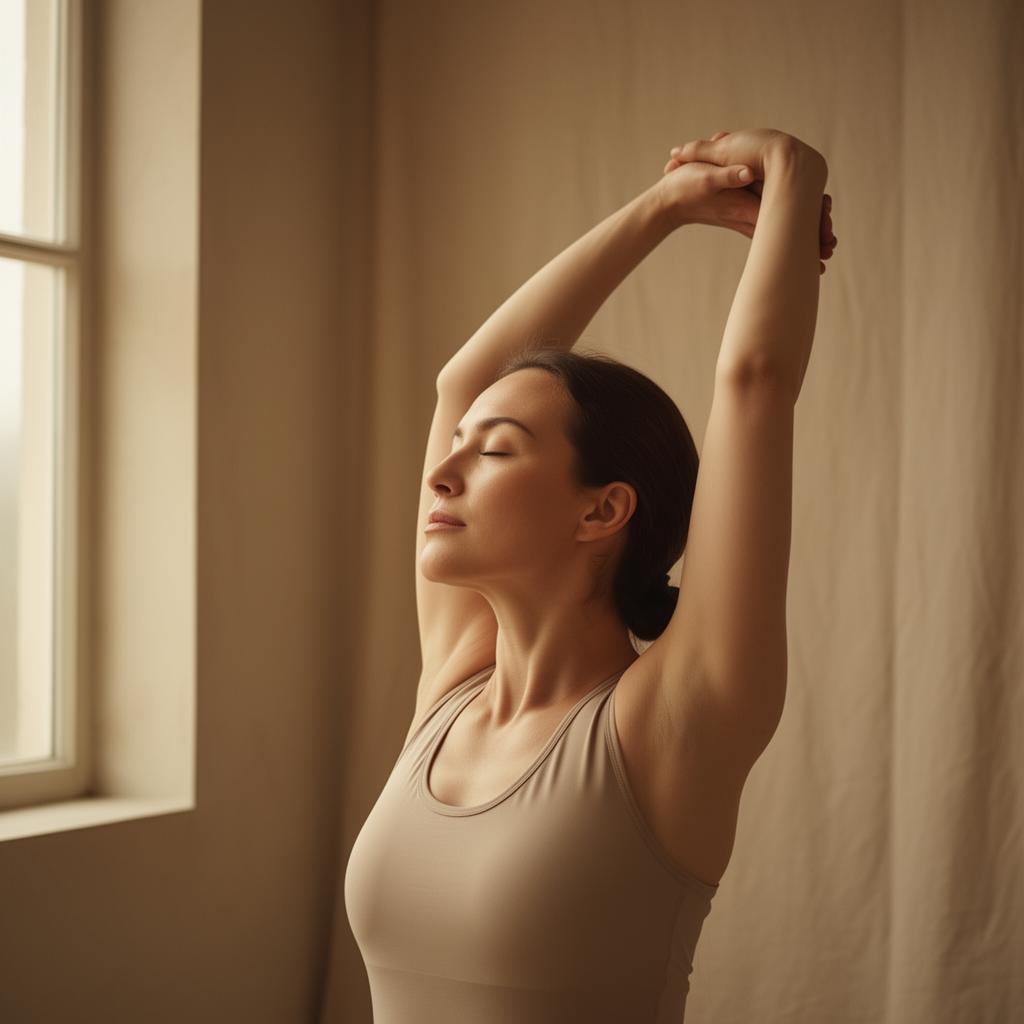
Frequently asked
Is dancing good for lower back pain?
For most everyday lower back pain, yes — gentle dance combines the three things that help most: rhythmic movement, gradual mobility, and core engagement. The key is slow tempo and no impact. Stop and see a clinician if pain sharpens, radiates, or comes with numbness or weakness.
What dance moves should I avoid with a bad back?
Skip jumping, deep forward bends, sudden twists, and anything that asks your lower back to extend hard. Our back‑pain plan removes all of these and keeps the lower body slow while the arms do most of the rhythmic work.
How quickly will dance help my back pain?
Tightness usually eases within the first week as your body re‑learns that gentle movement is safe. Baseline pain typically drops over 4–6 weeks of doing the sessions 4–5 times a week, as deeper core and glute strength rebuild.
Can I dance if I have a herniated disc or sciatica?
Sometimes — but check with a physiotherapist or doctor first. Many people with stable disc issues do well with low, controlled dance, but anything that radiates pain down the leg or worsens with movement needs in‑person assessment first.
Is it better to rest or move when my back hurts?
Modern back pain guidance favours gentle movement over bed rest for most non‑specific back pain. Resting more than a day or two often makes things worse. Short, low‑intensity dance sessions are an easy way to keep moving without overdoing it.
Other cases we cover
See allWant a fully personal plan, not just a curated list?
Generate full 7-day plan