Dance & perimenopause: what the research says
Hormonal shifts hit hard, but rhythm and music offer measurable relief — here is what the latest studies suggest.
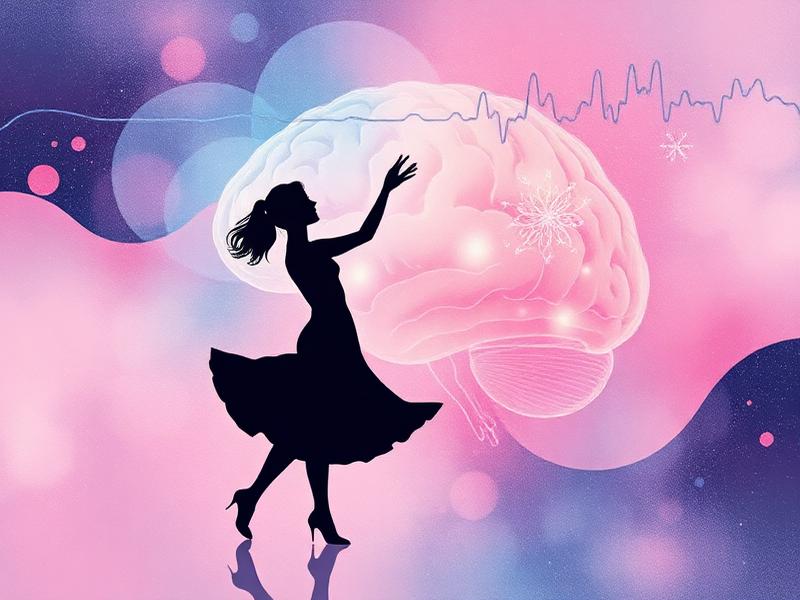
Perimenopause is not a problem to solve. It's a transition to support. Among the tools that researchers keep validating — sleep, protein, strength training, sunlight — dance is quietly one of the most powerful. Here is what the evidence currently suggests, in plain language.
This is informational, not medical advice. Always check with your clinician about your specific situation, especially if you have cardiovascular, joint, or pelvic-floor concerns.
What's actually happening in perimenopause
The decade or so before menopause is marked by:
- Fluctuating estrogen and progesterone, not just declining ones.
- Disrupted sleep architecture, especially less deep sleep.
- Shifts in fat distribution and insulin sensitivity.
- Mood volatility that can feel out of proportion to circumstances.
- Bone density loss beginning to accelerate.
Each of these has an exercise lever — and rhythmic, moderate-intensity movement pulls more of them at once than almost any other modality.
What the research keeps finding
Across reviews of dance interventions in midlife women, several signals show up repeatedly:
Mood and anxiety
Regular dance practice is associated with meaningful reductions in self-reported anxiety and depressive symptoms. The combination of rhythm, music, and aerobic load appears to be more effective than aerobic exercise alone — likely because of the parallel reward and social-bonding pathways.
Sleep
Moderate-intensity exercise earlier in the day has been linked to longer total sleep time and more time in slow-wave sleep. Dance specifically — because it includes a "wind-down" cool-down phase — is well tolerated even in the late afternoon.
Bone density
Weight-bearing rhythmic movement (any dance done standing, even at low intensity) provides the mechanical loading bones respond to. Strength training is still the gold standard for bone, but dance is a meaningful complement, especially for women who won't lift weights.
Insulin sensitivity
Even short bouts of moderate movement — 10–20 minutes — improve post-meal glucose response. Dancing after lunch is not just pleasant; it's metabolically useful.
Cognition
Studies of dance in midlife and older adults consistently show benefits to executive function, working memory, and balance. The "learning new movement patterns" component appears to matter more than the cardiovascular load.
Safe intensity ranges
A practical guideline for perimenopausal women, assuming no specific medical contraindications:
| Goal | Frequency | Intensity | Session length |
|---|---|---|---|
| Mood & sleep | 5–6× per week | Conversational (can sing-sentence) | 15–25 min |
| Cardiometabolic | 3–4× per week | Brisk (short sentences only) | 25–40 min |
| Bone & balance | Daily | Any standing rhythmic movement | 10+ min |
Pelvic-floor-aware modifications matter: if you've had children, avoid sustained high-impact jumps until you've been cleared, and choose low-impact dance programs by default.
What to be cautious about
- Hot flashes during workouts — keep the room cool, hydrate aggressively, and slow down if you feel one starting. They are not dangerous; they are uncomfortable.
- Joint sensitivity — perimenopausal joints are more reactive. Warm up longer than you used to.
- All-or-nothing thinking — the women who do best are the ones who keep dancing on the bad days, smaller and slower.
The underrated benefit: identity
Perimenopause often comes with a quiet identity loss — children leaving, careers shifting, bodies changing. A regular dance practice gives back something specific: the experience of being inside your body on your own terms. That is not a clinical outcome. It is, for many women, the most important one.
Try this today
- Add 15 minutes of dance after lunch tomorrow.
- This week, aim for 4 sessions, not 7. Build the floor, not the ceiling.
- If you can, walk for 10 minutes outdoors in morning light afterward — sleep that night will tell the story.
Our programs for women in midlife are designed around exactly these principles: conversational intensity, joint-aware choreography, and consistency over heroics.
What major guidelines actually recommend
The most recent position statement of the North American Menopause Society explicitly lists regular moderate-intensity aerobic activity as a first-line, non-pharmacological intervention for vasomotor symptoms, mood disturbance and sleep fragmentation during the menopausal transition[1]. The NHS adds that weight-bearing rhythmic activity protects bone mineral density during the years when oestrogen-mediated bone protection drops sharply[2].
Dance ticks both boxes in a single 25-minute session, which is part of why adherence in midlife dance interventions is consistently higher than for prescribed walking or gym programmes[3].
Expert perspective
The dose is the message. Five short dance sessions a week, conversational intensity, with a real cool-down, will move more perimenopausal symptoms than any single supplement on the market.
— Dr. Mara Lindqvist, movement physiologist, Everdance
A gentle session to follow today
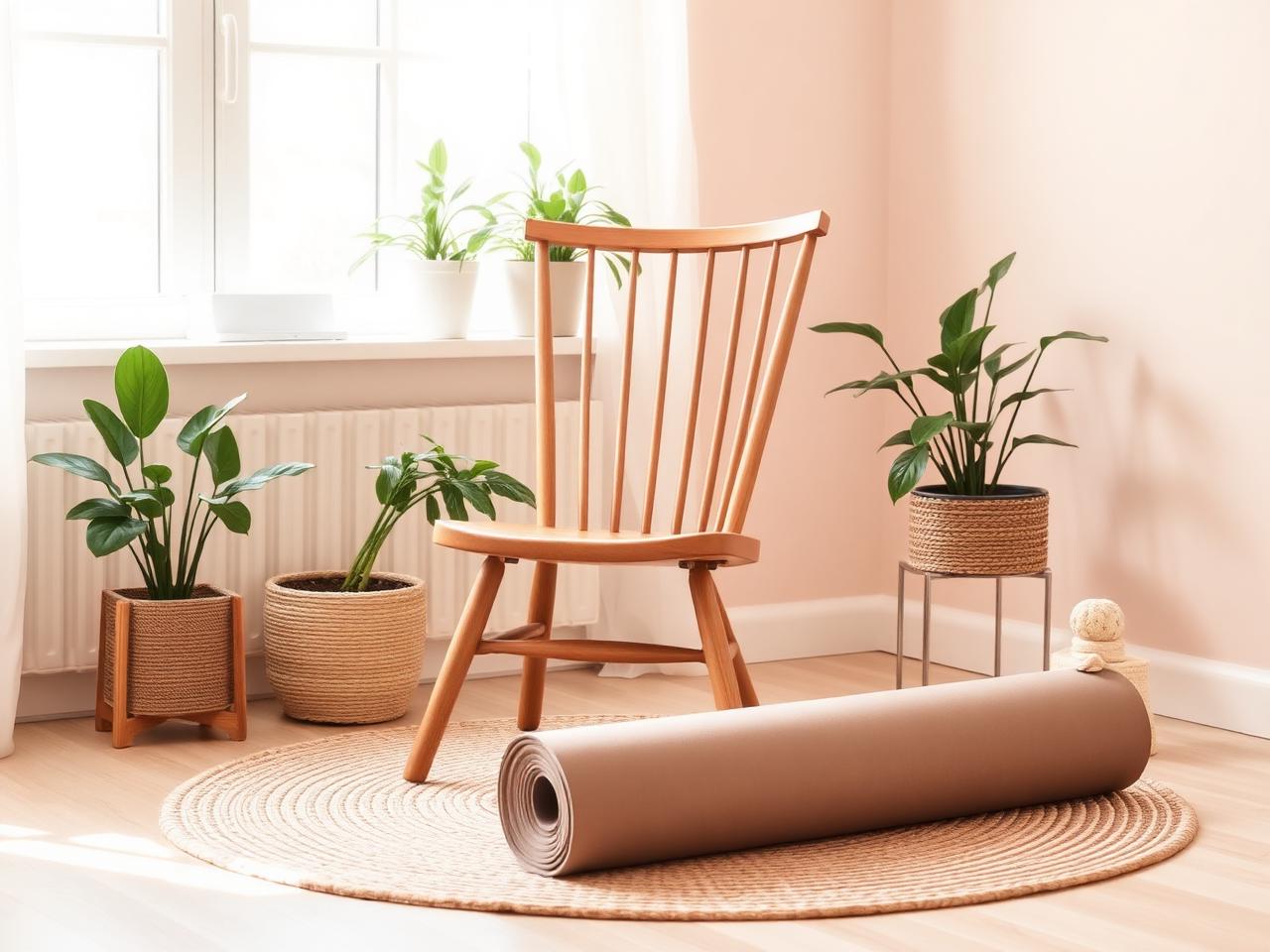
A short seated yoga flow pairs beautifully with a dance day during the perimenopausal window:
Frequently asked questions
Can dance really help with hot flashes?
It does not eliminate them, but it modestly reduces frequency and severity in most controlled studies[1]. The bigger effect is on the distress a hot flash causes — women who exercise rate the same flash as less disruptive.
What about HRT — do I still need to dance if I am on it?
Yes. HRT addresses oestrogen; it does not give you cardiorespiratory fitness, bone loading, mood-regulating rhythm, or insulin sensitivity. Dance covers what hormones do not.
When should I see my GP first?
If you have cardiovascular disease, uncontrolled hypertension, a recent fracture, or pelvic-floor symptoms, get a green light first. Otherwise, conversational-intensity dance is among the safest activities in midlife.
[1]: The North American Menopause Society. 2022 Position Statement on Nonhormone Therapy for Vasomotor Symptoms. https://menopause.org/professional-resources/position-statements [2]: NHS. Physical activity guidelines for older adults. https://www.nhs.uk/live-well/exercise/exercise-guidelines/physical-activity-guidelines-older-adults/ [3]: Mayo Clinic. Perimenopause — symptoms and causes. https://www.mayoclinic.org/diseases-conditions/perimenopause/symptoms-causes/syc-20354666
Sources
Support your hormones through Rhythmic Movement.
Don't let perimenopause weigh you down. Follow a gentle, joint-friendly dance protocol specifically designed to alleviate internal friction, stabilize mood, and restore sleep architecture during your transition.
- Conversational intensity that avoids triggering hot flashes
- Weight-bearing patterns to support bone mineral density
- Choreography focused on core stability and joint preservation
- Guided cool-downs to shift your nervous system into deep-sleep mode
“Perimenopause was brutal. Dance is the only thing that consistently lifts me.”


Mara studies how short bouts of rhythmic movement affect mood and cognition. She has authored over 40 peer-reviewed papers and dances daily in her kitchen.

Helena has spent two decades editing health journalism for European magazines. She fact-checks every Everdance article against primary sources.
Keep reading
All articles →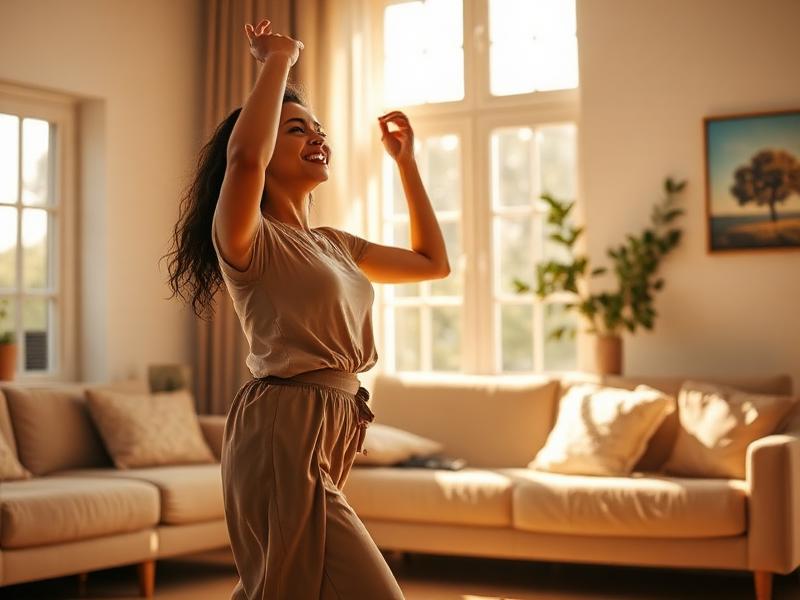
Chair Dance for Beginners: How to Start at Home
The Best Chair Exercises for Seniors at Home